
Discover how to cure insomnia in 12 minutes with effective techniques like mindful breathing, progressive muscle relaxation, and visualization. Embrace better sleep tonight!
Insomnia is a common issue affecting millions worldwide. It disrupts sleep and impacts daily life.
Finding a quick solution can be challenging. Many people seek fast and effective remedies.
Imagine curing insomnia in just 12 minutes. It sounds too good to be true, right?
This guide will explore practical methods to achieve better sleep quickly. These techniques are simple and easy to follow.
You don’t need expensive gadgets or medications. Natural methods can be just as effective.
We’ll cover various techniques, including breathing exercises and relaxation methods. These can help calm your mind and body.
Mindfulness and visualization are powerful tools. They can create a peaceful mental state conducive to sleep.
Aromatherapy and calming music can also play a role. They help set the mood for restful sleep.
Creating a sleep-friendly environment is crucial. Small changes can make a big difference.
Good sleep hygiene practices are essential. They help establish a routine that promotes better sleep.
Lifestyle changes can have a long-term impact. Consistency is key to improving sleep quality.
If insomnia persists, seeking professional help is important. Sometimes, underlying issues need to be addressed.
This guide aims to provide comprehensive solutions. You’ll find tips and techniques to try tonight.
Embrace these methods and discover the path to better sleep. Your journey to restful nights begins here.
Let’s dive into the world of quick insomnia cures. Get ready to transform your sleep in just 12 minutes.
How to cure insomnia in 12 minutes
Understanding Insomnia: Causes and Impact
Insomnia is more than just a sleep problem. It has many potential causes and wide-ranging effects.
Stress is a significant trigger for insomnia. Worrying about work or personal issues can hinder sleep.
Environmental factors also contribute. Noisy or uncomfortable settings can make falling asleep difficult.
Lifestyle choices are crucial. Consuming caffeine or using electronic devices late at night disrupts sleep.
Various health conditions can lead to insomnia. These include anxiety, depression, and chronic pain.
The impact of insomnia extends beyond lack of sleep. It affects cognitive function and mood.
Daytime fatigue is a common consequence. People feel tired, irritable, and find it hard to concentrate.
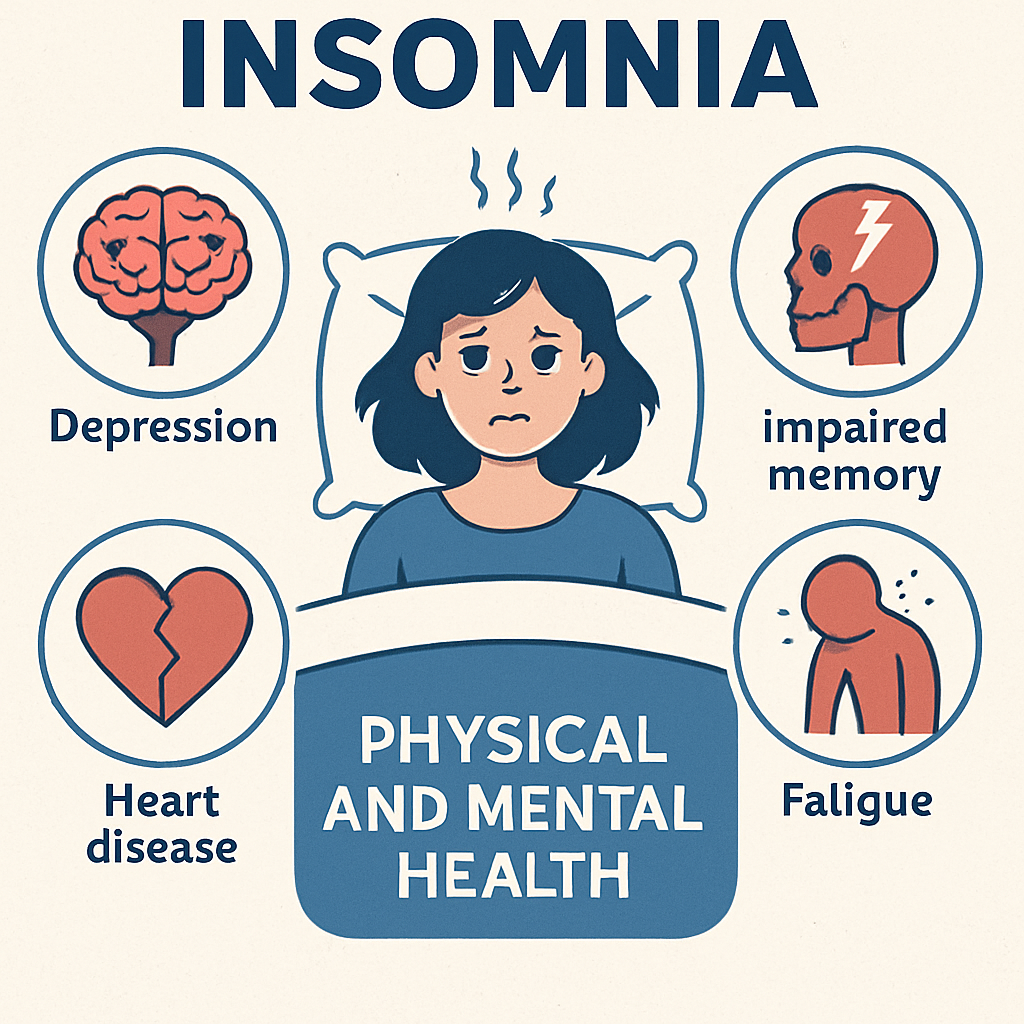
Untreated insomnia may lead to serious health issues. It increases the risk of heart disease and obesity.
Some key symptoms of insomnia include:
- Difficulty falling asleep
- Waking up frequently at night
- Waking up too early
- Not feeling refreshed after sleep
Understanding insomnia’s causes is the first step to finding solutions. Identifying triggers can help you address them effectively.
Addressing insomnia promptly is crucial. The longer it persists, the harder it can be to treat.
In the following sections, we will explore methods to tackle this issue. They can help you achieve better sleep swiftly and naturally.
The Science Behind Quick Sleep Techniques
Quick sleep techniques are grounded in neuroscience. They influence brain activity to foster relaxation and rest.
When stress levels are high, the brain remains alert. This state is counterproductive for falling asleep easily.
Techniques like deep breathing have physiological effects. They stimulate the parasympathetic nervous system. This system lowers the heart rate and calms the body.
Progressive muscle relaxation (PMR) eases physical tension. It sends signals to the brain that it’s time to sleep.
Visualization creates a mental escape. It helps in reducing brain wave frequency to theta waves, which are present during early sleep.
These methods alter hormone levels too. Cortisol, a stress hormone, decreases while melatonin, the sleep hormone, increases.
Key elements of quick sleep techniques include:
- Reducing stress hormones
- Slowing down heart rates
- Promoting melatonin production
- Enhancing the parasympathetic response
Incorporating these techniques into your routine can be transformative. They provide a natural and quick way to calm the mind and body.
Scientific backing gives credibility to these practices. Knowing how they work can make them even more effective.
Adopting these strategies can bridge the gap between sleep deprivation and restful nights. They offer a practical solution without the need for medication.
Understanding the science behind these techniques enhances their effectiveness. With this knowledge, you can approach insomnia with informed confidence.
The 12-Minute Insomnia Cure: Step-by-Step Guide
Overcoming insomnia doesn’t need hours. In just twelve minutes, you can transform your night’s sleep. Here’s a structured approach to achieve just that.
The techniques incorporate elements of mindfulness, relaxation, and environmental adjustments. Each step contributes to a peaceful mind and body state.
Firstly, create a calming environment. Dim the lights and reduce noise disturbances. A quiet, serene setting sets the stage for relaxation.
Begin with a simple breathing exercise. Inhale deeply for four counts, hold for seven, then exhale for eight. This slows your heart rate significantly.

Now, transition to progressive muscle relaxation. Start at your toes, tensing then releasing each muscle group slowly. This releases tension you’ve stored during the day.
Visualize a peaceful scene. Picture a calm, flowing river or a tranquil forest. Engage all your senses in the imagery.
Next, integrate mindfulness meditation. Focus on the present moment, observing thoughts without judgment. This clears your mental clutter.
Play soft music or calming nature sounds. Gentle melodies further enhance relaxation. Choose sounds that soothe you personally.
Aromatherapy can be a quick addition. Use lavender or chamomile scents. These have natural sedative properties and can ease anxiety.
Create a bedtime routine checklist:
- Adjust room temperature
- Prep a cup of herbal tea
- Use blackout curtains
- Limit screen exposure an hour prior
Select props to enhance your practice. Consider:
- A comfortable cushion or pillow
- An eye mask
- Earplugs for noise reduction
Through these steps, the 12-minute cure aligns body and mind for sleep. Consistency is key; repeat the routine nightly.
Finding what works best might require experimentation. Tailor the routine to your lifestyle. Soon, your battles with insomnia might fade.
Each minute invested builds towards a restful outcome. By incorporating these practices, restful nights can become the norm.
1. Mindful Breathing for Instant Calm
Mindful breathing is a core stress-reliever. It involves focusing awareness on each breath. This turns attention away from sleep difficulties.
Start by sitting comfortably. Focus your attention on the natural rhythm of your breath. Inhale deeply through the nose, observing the air filling your lungs.
Exhale slowly through the mouth. Let each breath out be longer than the inhale. This practice helps shift the body into relaxation mode.

Consistency is crucial for instant results. The body recognizes this pattern and starts to relax. With practice, it becomes second nature.
Mindful breathing comes with numerous benefits:
- Slows heart rate
- Reduces stress hormone levels
- Calms the nervous system
- Enhances oxygen flow
For beginners, it might be challenging to maintain focus. Use counting or a mantra to keep your mind engaged.
Incorporate this technique into your daily routine. Even a few minutes during the day can build its effectiveness at night.
Over time, mindful breathing can become your go-to in stressful moments. Remember, practice brings calm quicker. It’s a tool you can rely on anytime, anywhere.
2. Progressive Muscle Relaxation (PMR)
PMR is another effective tool. This technique requires focusing on different muscle groups. It’s a step-by-step process that reduces tension systematically.
Begin by taking a few slow, deep breaths. Bring attention to your toes. Tense this area for five seconds, then release.
Move upward slowly, covering all muscle groups. Continue this cycle until reaching your neck. Finally, tense and release your facial muscles.
The objective is to notice the difference between tension and relaxation. PMR can transform a tense body into a relaxed state.

Remember these benefits:
- Lowers muscle tension
- Reduces anxiety
- Promotes overall relaxation
- Improves body awareness
This technique also helps in recognizing where tension accumulates. Addressing these stress points can lead to a clearer mind and restful sleep.
Integrate PMR into your nightly routine. Consistency enhances its effects over time. The more you practice, the more automatic relaxation becomes.
It’s important to remain patient with yourself. Relaxation is a skill that develops with practice.
3. Visualization and Guided Imagery
Visualization involves creating a mental image of tranquil settings. These images distract from intrusive thoughts that disrupt sleep.
Select an image that feels peaceful to you. It could be a serene beach or a quiet meadow.
To start, close your eyes. Engage your imagination by incorporating all senses. Hear the waves, feel the sun, and smell the ocean air.

Practicing visualization can yield numerous benefits:
- Diverts the mind from stressors
- Promotes a meditative state
- Reduces anxiety
- Enhances melatonin production
Guided imagery can be self-directed or aided by audio guides. Utilizing an app or recording can make the practice easier.
Combine visualization with breathing exercises. The two complement each other. They form a robust system for calming the mind swiftly.
Visualization is adaptable. Personalize scenes for maximum impact. With practice, your imagery becomes more vivid.
Revisit your chosen scene nightly. Familiarity can deepen relaxation. Visualization should become a safe escape from daily stress.
4. Mindfulness Meditation for Sleep
Mindfulness meditation fosters awareness of the present moment. It’s a tool against the mind’s race that prevents sleep.
Sit or lie down in a comfortable position. Focus your attention solely on each breath. Allow your thoughts to come and go without judgment.
This non-reactive observation reduces sleep-interfering stress and anxiety. It’s a path to mental stillness and relaxation.

The benefits of mindfulness meditation include:
- Reducing stress and anxiety
- Enhancing emotional balance
- Promoting mental clarity
- Supporting better sleep patterns
For beginners, using guided meditation can simplify the process. Apps and online resources provide structured guidance.
Consistency is key to reaping mindfulness meditation’s rewards. Set aside regular time to practice and integrate it into your sleep routine.
Initially, the mind may wander often. Gradually, you’ll notice improved focus and relaxation.
Over time, mindfulness meditation can alter brain function. It fosters long-term mental well-being and sleep quality.
5. Calming Music and Soundscapes
Music is a powerful sleep aid. It can relax the mind and body, easing the transition to sleep. Soft melodies and soundscapes are especially effective.
Start with music that you find soothing. Classical, instrumental, or ambient music tends to work well.
Nature sounds like rain, waves, or birds also provide peace. Test different sounds to find what works best for you.

Benefits of using calming music and soundscapes include:
- Slowing heart and breath rate
- Reducing stress and anxiety
- Masking background noise
Create a playlist of your favorite soothing tracks. Allow it to play softly in the background as you settle in.
Experiment with the volume. It should be quiet enough not to disturb sleep but loud enough to hear faintly.
Utilizing headphones can enhance the experience, making it more immersive. Aim for consistency in using music as a nightly sleep aid.
6. Aromatherapy and Essential Oils
Aromatherapy uses scents to promote health and well-being. Certain essential oils are known for their calming effects, aiding sleep.
Lavender is particularly effective for stress relief and sleep enhancement. Chamomile and ylang-ylang are also beneficial choices.
Use a diffuser to disperse the aroma in your bedroom. Alternatively, apply diluted essential oils to your temples or wrists.

Aromatherapy benefits include:
- Inducing a sense of calm
- Reducing anxiety
- Enhancing sleep quality
- Offering a natural sleep solution
Incorporate essential oils into your nightly routine. Practice consistency for the best results. Explore different oils to find your preferred scent.
Be cautious with pure essential oils. Always dilute them before applying to skin. Ensure they are safe for personal use.
The ritual of aromatherapy can become a signal to your brain that it’s time to relax and sleep. Your senses play a powerful role in setting the sleep stage.
Creating the Perfect Sleep Environment in Minutes
Your sleep environment significantly impacts the quality of your rest. Even minor adjustments can transform your bedroom into a peaceful haven.
Start by focusing on light. Use dim lighting to signal your body it’s time to wind down. Blackout curtains can block out streetlights, creating darkness essential for melatonin production.

Next, address noise. Try using a white noise machine or earplugs. Both can eliminate disruptive sounds. Silence is critical for deep, uninterrupted sleep.
Consider the temperature. A cooler room aids in falling asleep faster. Aim for a temperature between 60-67°F (15-19°C), which is optimal for most.
The importance of your bed should not be underestimated. Invest in a supportive mattress and pillows. These can prevent aches and enhance comfort throughout the night.
Here’s a quick checklist to improve your sleep space:
- Remove electronic distractions
- Use soothing colors and decor
- Incorporate calming scents
- Ensure your sleepwear is comfortable
- Organize and declutter the room
For a final touch, introduce greenery. Plants can purify air and improve mood. Consider low-maintenance options like snake plants or peace lilies.
Personalize your space with comforting items. This could be a favorite blanket or mementos that evoke happiness and relaxation.
Together, these elements set the scene for a restful night. Your bedroom should be a sanctuary from daily stresses. A few thoughtful changes can drastically improve your sleep quality.
By curating this ideal environment, you establish a nightly routine your body will begin to crave. Over time, these changes can lead to lasting better sleep habits and improved overall wellbeing.
Sleep Hygiene: Habits for Better Sleep Every Night
Consistently good sleep hygiene can transform restless nights into rejuvenating slumbers. Small, regular habits are key.
Begin with a fixed sleep schedule. Aim to go to bed and wake up at the same time daily. Consistency helps regulate your body’s internal clock.

Avoid screens before bed. Electronic devices emit blue light, which hampers melatonin production. Opt for reading a book instead.
Diet plays a vital role. Limit caffeine and heavy meals in the evening. Both can disrupt your ability to fall asleep and stay asleep.
Activity during the day is also crucial. Regular exercise promotes better sleep. Aim to finish physical activity a few hours before bedtime.
Create a bedtime ritual. Engage in relaxing activities such as reading, meditation, or a warm bath. These signal your mind and body to prepare for rest.
Here’s a concise list for robust sleep hygiene:
- Maintain a regular sleep schedule
- Limit screen time before bed
- Avoid caffeine late in the day
- Regular daily exercise
- Establish a relaxing pre-bedtime routine
Temperature regulation matters too. A cool room aids in signaling your body that it’s time to rest. Adjusting your thermostat can help.
Lastly, evaluate your sleep environment. Ensure your bed is comfortable and your room is dark, quiet, and clutter-free.
Each of these habits contributes to a healthier sleep pattern. Together, they form a foundation that supports quality rest every night. Changes might not happen overnight, but persistence is key. Over time, good sleep hygiene will help unlock the restorative powers of sleep.
Natural Sleep Remedies and Aids
Natural remedies provide gentle solutions for insomnia. They are often free from side effects, making them appealing choices.
Herbal teas offer soothing benefits. Chamomile and valerian root are famous for promoting relaxation. Sip a warm cup an hour before bedtime.

Essential oils also have calming properties. Lavender oil can enhance sleep quality. Simply diffuse it or place a drop on your pillow.
Melatonin supplements can regulate sleep cycles. They are especially effective for shift workers or those affected by jet lag.
The power of magnesium shouldn’t be overlooked. This mineral relaxes muscles and calms nerves, making sleep more attainable.
Here’s a list of natural sleep aids to consider:
- Chamomile tea for relaxation
- Lavender oil for a calming scent
- Melatonin supplements to regulate cycles
- Magnesium for muscle relaxation
Acupressure mats can promote comfort and relaxation. Lying on a mat for a few minutes can ease tension and encourage sleep.
Meditation apps can also promote natural sleep. They guide you through calming exercises, reducing stress and promoting deep rest.
Dietary considerations are equally important. Foods rich in tryptophan, like turkey and nuts, can enhance sleep quality.
These natural remedies integrate easily into nightly routines. Experiment with different options to discover what best suits your needs.
Ultimately, natural aids can form part of a comprehensive approach to improving sleep. They’re ideal for those seeking non-pharmaceutical options.
Remember, consistency is crucial. Over time, natural remedies can significantly improve sleep quality and overall well-being.
Lifestyle Changes for Long-Term Sleep Improvement
Long-term insomnia solutions often require lifestyle adjustments. Small changes can lead to significant sleep improvements.
Regular physical activity boosts sleep quality. Aim for at least 30 minutes of moderate exercise most days.

Avoid vigorous workouts close to bedtime. They can energize you and delay sleep onset.
Nutrition plays a crucial role in sleep. Balance your diet with plenty of vegetables, lean proteins, and whole grains.
Limit caffeine and sugar intake, especially in the afternoon and evening. They can disrupt your sleep patterns.
Create a calming bedtime routine. Reading a book or taking a warm bath can help signal your body that it’s time to wind down.
Stick to a regular sleep schedule. Going to bed and waking up at the same time every day establishes a rhythm.
Exposure to natural light during the day helps regulate sleep. It supports your body’s internal clock, making it easier to fall asleep at night.
Here are simple lifestyle changes for better sleep:
- Regular physical activity
- Balanced nutrition
- Calming bedtime routine
- Consistent sleep schedule
- Daytime natural light exposure
Reduce stress with mindfulness practices. Techniques like yoga and meditation can foster peace and calm.
Stay hydrated, but avoid excessive fluids before bed. This can minimize nighttime disruptions.
Find time for leisure and hobbies. Engaging in enjoyable activities relieves stress and contributes to better sleep.
By implementing these lifestyle changes, you can achieve improved sleep over time. Remember, patience and persistence are key. Small, consistent efforts can make a big difference.
When to Seek Professional Help for Insomnia
Insomnia affects daily life and health. Persistent sleep difficulties may require professional intervention.
If sleep troubles occur three nights a week for over a month, it’s time to consult a doctor. Chronic insomnia can signal underlying issues, such as depression or anxiety.
A healthcare provider can help identify these problems. They assess sleep patterns and recommend treatment. This might include cognitive behavioral therapy (CBT-I), medications, or further evaluation.
Consider seeking help if insomnia affects your mood, work, or relationships. Professional guidance can ease these challenges and restore balance in your life.
Here are signs to seek professional help:
- Insomnia occurs at least three times per week
- Sleep issues last longer than a month
- Daytime functioning is impaired
- Suspected underlying health issues
It’s essential to act early. Prompt intervention can prevent insomnia from worsening and improves recovery prospects.
Don’t hesitate to reach out to sleep specialists or mental health professionals. They can provide a tailored treatment plan. Early support leads to more effective solutions and better sleep.
The Cure for Insomnia 1987 Movie: Fact or Fiction?
The title “The Cure for Insomnia” might lead some to seek quick solutions from the 1987 movie. However, this film, with its avant-garde style, isn’t an actual remedy for sleep troubles.
“The Cure for Insomnia” by John Henry Timmis IV runs over 87 hours. It blends poetry with heavy metal and adult content, rather than offering sleep advice. It’s more of an artistic expression than a practical sleep aid.
For those curious about this cult classic, it’s important to manage expectations. While the movie has its unique merits, it lacks practical strategies for real insomnia. Instead, consider these proven methods for insomnia relief:
- Practical sleep hygiene techniques
- Professional medical treatments
- Natural sleep aids and remedies
Exploring the film might amuse or intrigue, but turning to science-based solutions will provide genuine insomnia relief. Here’s an intriguing reminder: art and reality don’t always intersect perfectly.

Frequently Asked Questions (FAQs)
What is insomnia? Insomnia is a common sleep disorder. It makes it difficult to fall or stay asleep, leading to poor quality sleep.
How common is insomnia? Millions suffer worldwide. It affects both men and women across various age groups.
Can insomnia be cured in 12 minutes? While a full cure isn’t realistic, quick techniques like relaxation exercises can help. They can improve sleep in just minutes.
Are there natural remedies for insomnia? Yes, natural sleep aids like melatonin, herbal teas, and essential oils can aid sleep. They provide gentle sleep support.
How important is sleep hygiene? Very important. Good sleep hygiene ensures a restful environment and routines. It significantly boosts sleep quality.
What lifestyle changes help insomnia? Regular exercise, a balanced diet, and stress management contribute to better sleep. Avoiding heavy meals before bed is crucial too.
When should I seek professional help? Persistent insomnia that affects daily life warrants professional advice. A healthcare provider can offer guidance and solutions.
Can insomnia lead to other health issues? Yes, chronic insomnia increases the risk of several health problems. These include mood disorders, weakened immunity, and cardiovascular issues.
List of Useful Sleep Tips:
- Establish a bedtime routine
- Limit caffeine intake
- Practice relaxation techniques
- Avoid screens before bedtime
- Maintain a comfortable bedroom environment
Understanding insomnia and its solutions empowers restful nights. Embrace these insights for a healthier sleep pattern.
Key Takeaways: Your 12-Minute Sleep Solution
Quick solutions are vital for tackling insomnia. Practicing short, effective methods can lead to significant improvements in sleep. Within 12 minutes, these steps can create a peaceful state conducive to sleep.
Incorporating mindfulness and relaxation techniques into your nightly routine is key. Mindful breathing, progressive muscle relaxation, and visualization offer simple, powerful tools. They are easy to learn and implement.
Remember, creating the right sleep environment matters. A quiet, dark, and comfortable room can enhance these practices. Consistency is crucial for best results in overcoming insomnia.
Essential Techniques:
- Mindful breathing: Focus on slow, deep breaths.
- Muscle relaxation: Tense and release your muscles.
- Visualization: Picture calm, serene places.
- Aromatherapy: Use calming essential oils.
- Calming sounds: Listen to gentle music or nature sounds.
These strategies empower you to achieve restful nights. Integrating them into your lifestyle will help improve sleep quality over time. Enjoy the benefits of better sleep with these practical steps.
Conclusion: Embrace Better Sleep Tonight
Achieving better sleep is a commitment to healthier practices. By incorporating effective techniques, restful nights are within reach. The simplicity of a 12-minute routine can transform your sleep quality.
Take gradual steps toward improvement. Consistency in practicing relaxation and mindfulness methods is essential. These techniques promote deeper, more restorative sleep.
Evaluate your sleep environment as you implement these changes. Ensure it supports relaxation and a natural sleep state. Adjust your surroundings to eliminate disturbances.
Steps for Implementing:
- Establish a nightly routine focusing on relaxation.
- Minimize electronics use before bedtime.
- Create a calming sleep environment.
Commit to these strategies and embrace the benefits. Prioritize your well-being through mindful practices. Celebrate each night of restful sleep and the energy it brings each day. Better sleep is not just a dream; it’s achievable now.