
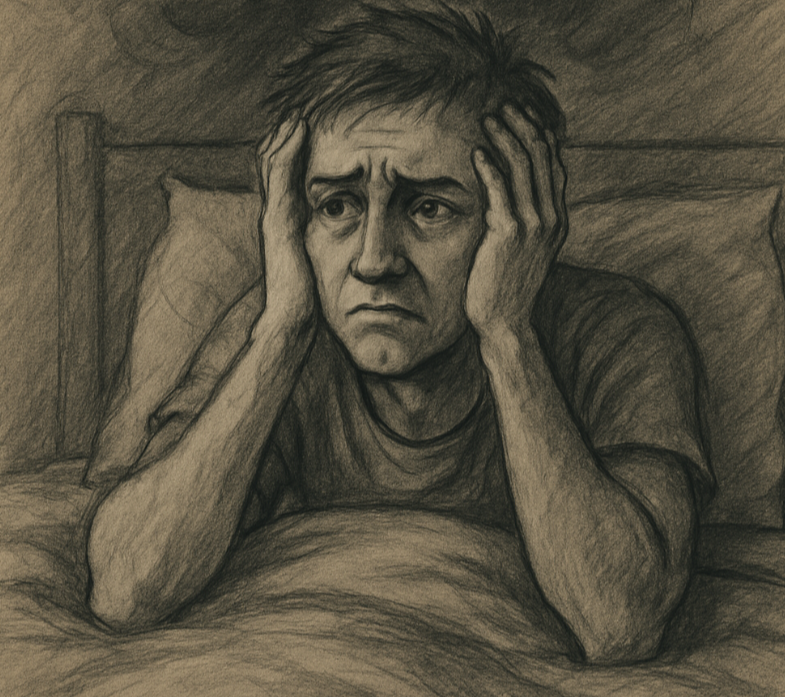
Psychogenic insomnia is a sleep disorder rooted in psychological factors. Stress and anxiety are often the main culprits. This condition can disrupt your nights and impact your days. Sleepless nights lead to fatigue, irritability, and trouble focusing.
Understanding psychogenic insomnia is crucial for effective management. It involves more than just sleeplessness. The psychological distress it causes can be overwhelming. Anxiety and stress create a vicious cycle, worsening the insomnia.
Coping with psychogenic insomnia requires a holistic approach. Addressing both mind and body is essential. Cognitive Behavioral Therapy for Insomnia (CBT-I) is a proven method. It helps change sleep habits and misconceptions.
Relaxation techniques can also be beneficial. Deep breathing, meditation, and progressive muscle relaxation can ease anxiety. Sleep hygiene practices are vital too. A regular sleep schedule and a restful environment can make a difference.
Lifestyle changes play a significant role. Limiting caffeine and alcohol, especially before bed, is important. Regular physical activity can reduce stress and promote better sleep. Understanding and managing psychogenic insomnia can lead to improved sleep health.
Table of Contents
Understanding Psychogenic Insomnia
Psychogenic insomnia is a type of sleep disorder driven by psychological influences. Unlike physical causes, mental disturbances primarily trigger it. Stress, anxiety, and emotional conflicts play central roles.
This disorder falls under the ICD-10 classification F51.0. This code covers nonorganic sleep disorders. Recognizing this classification helps in understanding and treating the condition effectively.
Psychogenic insomnia often begins with a single stressful event. Over time, worry about not sleeping can turn the problem chronic. This creates an ongoing battle against sleeplessness.
A key aspect is the impact on mental health. Individuals may experience heightened anxiety and stress. Lack of sleep can worsen these feelings, creating a loop of distress.
Common features of psychogenic insomnia include:
- Difficulty falling asleep
- Frequent awakenings during the night
- Non-refreshing sleep
The psychological nature of this disorder differentiates it from other insomnia types. Treatment, therefore, involves addressing the mind’s role in sleep. This emphasizes the need for mental health interventions.
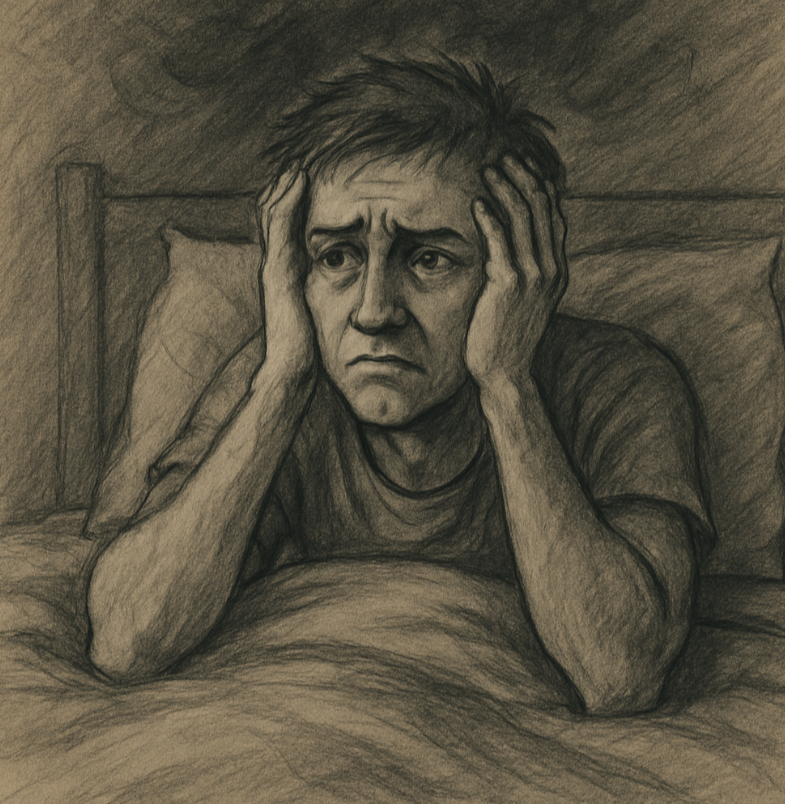
Causes and Risk Factors: Anxiety, Stress, and More
Anxiety and stress are leading causes of psychogenic insomnia. Daily worries can significantly disturb sleep patterns. When persistent, these concerns make relaxing and falling asleep difficult.
The risk factors extend beyond anxiety. Emotional conflicts in personal relationships often contribute. Experiences of grief or trauma can also exacerbate insomnia. These emotional strains disrupt the mind’s peace needed for sleep.
Environmental factors can further aggravate the condition. An irregular sleep schedule may make the body confused about rest time. Consistent exposure to light from screens can also hinder sleep onset. Additionally, stimulants like caffeine or nicotine taken close to bedtime can worsen the issue.
These combined elements create a challenging environment for sleep. Recognizing them is crucial for managing and overcoming insomnia. Effective treatment often requires addressing each contributing factor.
Here are key risk factors contributing to psychogenic insomnia:
- Persistent anxiety or stress
- Emotional conflicts or trauma
- Poor sleep environment
- Irregular sleep routines
- Use of stimulants before bed
Understanding these causes and risk factors is essential for devising coping strategies. Addressing them individually increases the chances of achieving restful sleep.
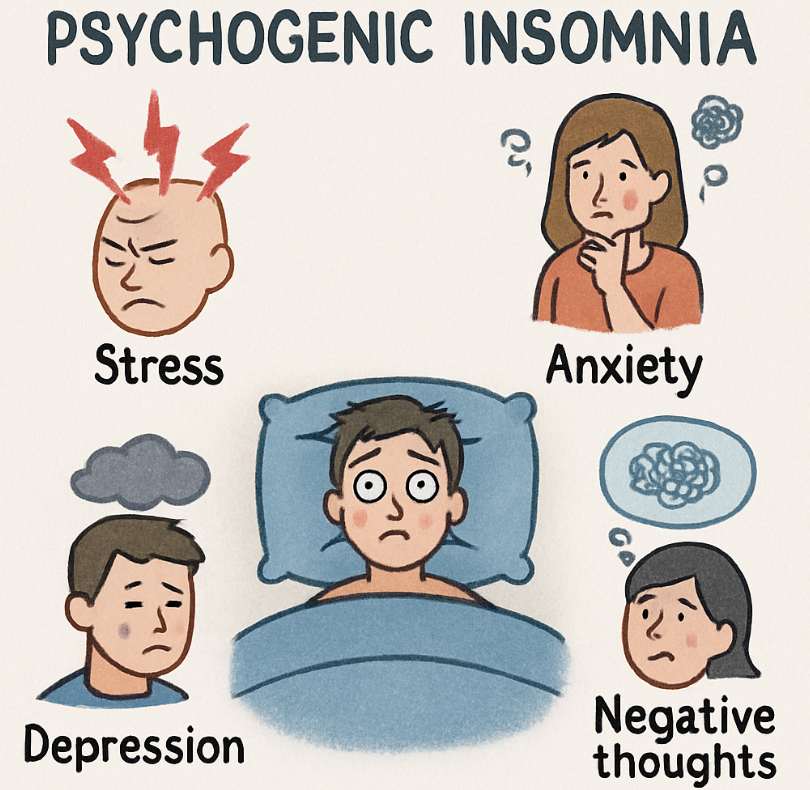
Recognizing the Symptoms and Impact on Daily Life
Psychogenic insomnia often presents with several telltale symptoms. Difficulty falling asleep is a common issue many face. Staying asleep throughout the night may also be a struggle.
These sleep issues result in significant daytime consequences. Individuals often experience persistent fatigue and tiredness. This constant exhaustion affects concentration and productivity at work or school.
Another symptom is irritability, often linked to inadequate sleep. People may find themselves more easily frustrated. This irritability can strain relationships, both personal and professional.
Not getting enough sleep can impact health in other ways. For instance, it may weaken the immune system. It increases the risk of other mental health disorders, such as depression.
Common symptoms of psychogenic insomnia include:
- Difficulty falling and staying asleep
- Daytime fatigue and sleepiness
- Increased irritability
- Reduced concentration and productivity
- Heightened risk of mental health issues
Understanding these symptoms helps identify the disorder early on. With early recognition, sufferers can seek effective strategies to combat insomnia.

The Connection Between Insomnia and Anxiety
Insomnia and anxiety often go hand in hand, creating a complex interplay. Anxiety can prevent restful sleep by causing racing thoughts. This, in turn, leads to a cycle of worsening anxiety and insomnia.
Stress-related insomnia exacerbates existing anxiety symptoms. People with anxiety may worry excessively about lack of sleep, amplifying their stress. Consequently, their mental health deteriorates over time.
Breaking this cycle is crucial for improving sleep quality. Recognizing how anxiety influences sleep can empower change. Individuals can begin to address anxiety’s impact on their nightly rest.
Here are key points linking insomnia and anxiety:
- Anxiety leads to a vicious cycle of sleeplessness.
- Stress heightens anxiety, impacting sleep quality.
- Poor sleep may worsen existing mental health conditions.
- Managing anxiety is essential for improving sleep patterns.
By focusing on reducing anxiety, individuals can experience better sleep. Therapeutic approaches and lifestyle changes can mitigate the cycle’s effects. Understanding this connection is a vital step toward healthier sleep and mental well-being.
Diagnosis: Psychogenic Insomnia and ICD-10 Classification
Diagnosing psychogenic insomnia involves understanding its psychological roots. Doctors assess stress, anxiety, and lifestyle factors during evaluations. These elements help differentiate psychogenic insomnia from other sleep disorders.
The ICD-10 classifies psychogenic insomnia under F51.0, a category for nonorganic sleep disorders. This classification aids healthcare providers in identifying and managing this condition. Recognition under ICD-10 highlights the importance of mental factors in sleep issues.

Accurate diagnosis requires a comprehensive approach, often involving a sleep specialist. In some cases, maintaining a sleep diary might be recommended. These steps help uncover patterns and triggers, guiding effective treatment strategies. Effective diagnosis is key to addressing psychogenic insomnia’s challenges.
Cognitive Behavioral Therapy for Insomnia (CBT-I)
Cognitive Behavioral Therapy for Insomnia (CBT-I) is a proven treatment approach. It focuses on changing thoughts and behaviors impacting sleep. This therapy helps reframe negative beliefs about sleep.
CBT-I involves structured sessions with a trained therapist. The goal is to establish healthy sleep patterns and eliminate misconceptions. This therapy is effective in managing psychogenic insomnia.
Key techniques in CBT-I include:
- Sleep restriction: Limits time in bed to improve sleep efficiency.
- Stimulus control: Associates the bed with sleep only.
- Cognitive restructuring: Challenges and changes distorted thoughts.
- Sleep hygiene education: Teaches optimal sleep practices.

CBT-I is typically a brief, structured program lasting several weeks. Its structured nature provides a roadmap for sufferers. While engaging with a therapist, patients gain tools for long-term sleep improvements.
By addressing both cognitive and behavioral components, CBT-I addresses insomnia’s root causes. Many find it a highly effective long-term solution. This evidence-based therapy can significantly enhance sleep quality and life satisfaction.
Sleep Hygiene: Building Better Sleep Habits
Developing effective sleep hygiene habits is essential for managing psychogenic insomnia. It involves creating an environment and routine conducive to restful sleep.
Consistency is key. Going to bed and waking up at the same time daily helps regulate the body’s internal clock. This consistency reinforces a natural sleep-wake cycle.
Key sleep hygiene practices include:
- Establishing a pre-sleep routine: Engages relaxing activities like reading or a warm bath.
- Creating a restful environment: Ensures the bedroom is dark, quiet, and cool.
- Limiting screen time before bed: Avoids blue light from electronics which can disrupt sleep.
- Watching diet and intake: Avoids caffeine and heavy meals in the evening.

by Sreia Pythia (https://unsplash.com/@sreiapythia)
Regular exercise promotes sleep, but timing is crucial. Exercise should be completed a few hours before bedtime. This prevents overstimulation close to sleep time.
Prioritizing sleep hygiene encourages better sleep quality. Over time, these habits can reduce the anxiety associated with sleep. Implementing these changes can significantly improve overall sleep effectiveness.
Relaxation and Mindfulness Techniques
Relaxation and mindfulness can be powerful tools in managing psychogenic insomnia. These practices help calm the mind and reduce tension before sleep.
Engaging in deep breathing exercises is one way to unwind. Take slow, deliberate breaths to soothe the nervous system and prepare for rest.
Mindfulness meditation also plays a role in easing sleep anxiety. By focusing on the present moment, you can eliminate racing thoughts that interfere with falling asleep.
Progressive muscle relaxation is another useful technique. It involves tensing and relaxing different muscle groups, promoting a state of relaxation.
Consider these relaxation strategies:
- Deep breathing exercises: Slow, controlled inhalations and exhalations.
- Mindfulness meditation: Focus on the present without judgment.
- Progressive muscle relaxation: Alternate tensing and relaxing muscles.

Incorporating these techniques into your daily routine can have cumulative benefits. As they become habitual, relaxation responses are triggered more quickly. Over time, this leads to a calmer mind and more restful nights. Implement these practices consistently for best results.
Lifestyle Changes for Stress-Related Insomnia
Adopting certain lifestyle changes can significantly alleviate stress-related insomnia. Consistency is key to reshaping your sleep habits.
Start by establishing a regular sleep schedule. Go to bed and wake up at the same time every day, even on weekends. This regulation helps train your body’s internal clock.
Limiting caffeine and alcohol can also make a notable difference. Consuming these substances late in the day can worsen insomnia. Aim to avoid them in the afternoon and evening.
Incorporate regular physical activity into your routine. Exercise reduces stress hormones and promotes deeper, more restorative sleep. However, try to avoid vigorous activity close to bedtime.
Implement these lifestyle modifications:
- Set a consistent sleep schedule: Maintain regular sleep and wake times.
- Reduce caffeine and alcohol intake: Limit consumption, especially after midday.
- Engage in regular physical activity: Exercise daily, but not near bedtime.
These changes can pave the way for improved sleep quality over time. Small adjustments in daily habits add up, leading to substantial improvements in managing stress-related insomnia.
When to Seek Professional Help
Recognizing when to seek help is crucial for managing psychogenic insomnia effectively. Sometimes, self-help strategies are not enough.
If insomnia persists despite lifestyle changes, consider consulting a sleep specialist. Persistent sleep disturbances might indicate underlying issues needing professional attention.
Additionally, if insomnia leads to severe daytime impairment, such as extreme fatigue or irritability, it’s time to seek guidance. A mental health professional can provide tailored treatment approaches.
Timely intervention can prevent insomnia from worsening. Professional insight ensures a comprehensive approach, potentially involving therapy and medication. Don’t hesitate to reach out for specialized support.
Support Systems and Community Resources
Connecting with others who share similar experiences can be incredibly helpful. Support systems offer comfort and practical advice for managing insomnia.
Online forums and local support groups allow sufferers to share their journeys. These platforms can provide both empathy and insights from those who understand.
Community resources also include educational workshops and mental health services. These resources can empower individuals and offer evidence-based strategies. Here’s a list of potential support avenues:
- Online forums specializing in sleep disorders
- Local mental health support groups
- Educational workshops on sleep health
- Counseling services for stress and anxiety
Reaching out and making use of these resources can ease the burden of managing psychogenic insomnia. It’s important to remember: you’re not alone in this journey.
Frequently Asked Questions About Psychogenic Insomnia
Understanding psychogenic insomnia can sometimes feel overwhelming. Here, we address common questions to help clarify concerns about this sleep disorder. Knowing more can provide a sense of control and relief.
Many people wonder what differentiates psychogenic insomnia from other types. The key factor is its psychological root, often tied to stress and anxiety. Addressing these factors is crucial for effective treatment.
Another frequent inquiry is about effective treatments. While cognitive behavioral therapy and sleep hygiene improvements are top recommendations, many find success with a combination of relaxation techniques and lifestyle modifications. Here’s a quick list of common questions and brief answers:
- What defines psychogenic insomnia?
- How does it differ from other types of insomnia?
- What treatments are most effective?
- Can lifestyle changes alleviate symptoms?
- When should professional help be sought?
These FAQs serve as a starting point for deeper exploration into the condition. Remember to seek professional advice for personalized guidance.
Conclusion: Taking Control of Your Sleep Health
Taking proactive steps toward managing psychogenic insomnia can greatly enhance your quality of life. By understanding the psychological roots of this disorder, you can implement effective strategies to combat it.
Remember, while self-care and lifestyle changes play a vital role, professional guidance can provide additional support. Seize control of your sleep health today by addressing the factors that impact it most. Embrace a holistic approach to create a restful, restorative night of sleep, laying a foundation for improved overall well-being.