
Postpartum insomnia is a common challenge for new mothers. It involves difficulty falling or staying asleep after childbirth. This condition can be distressing and exhausting.
Hormonal changes play a significant role in postpartum insomnia. They can disrupt sleep patterns and make restful nights elusive. Stress and anxiety add to the problem.
Caring for a newborn is demanding. The constant attention required can exacerbate sleep issues. Many mothers find themselves sleep-deprived and overwhelmed.
Understanding postpartum insomnia is crucial. It helps in managing the condition effectively. Knowing that it is temporary can provide comfort.
Support from family and friends is vital. It can alleviate stress and improve sleep quality. Sharing experiences with others can also be beneficial.
There are strategies to manage postpartum insomnia. Establishing a sleep routine is one of them. Relaxation techniques can also promote better sleep.
Professional help may be necessary if insomnia persists. Consulting a healthcare provider is important. They can offer guidance and treatment options.
Table of Contents
What Is Postpartum Insomnia?
Postpartum insomnia refers to sleep difficulties experienced after childbirth. It often manifests as trouble falling asleep, waking frequently, or waking too early. This condition is frustrating for new mothers.
The hormonal shifts after birth are a key factor. These changes influence sleep cycles and can disrupt normal patterns. Emotional stress and anxiety also contribute.

New mothers commonly experience interrupted sleep. Caring for a newborn involves frequent night awakenings. This adds to overall sleep deprivation.
Postpartum insomnia can be mistaken for other sleep disorders. However, it is specifically linked to the period following childbirth. Its unique triggers differentiate it from general insomnia.
Key characteristics of postpartum insomnia include:
- Difficulty initiating or maintaining sleep.
- Feeling unrested despite adequate sleep opportunity.
- Increased stress or anxiety levels.
Awareness of postpartum insomnia is critical. It empowers mothers to seek appropriate strategies for managing their sleep. Understanding its nature is the first step toward better rest.
Common Causes of Insomnia After Childbirth
Postpartum insomnia arises from a combination of factors. Understanding these can help in identifying effective solutions.
Hormonal fluctuations play a major role. After childbirth, levels of estrogen and progesterone drop sharply. This sudden change disrupts sleep patterns significantly.
Stress and anxiety also contribute to sleeplessness. New mothers often worry about their infant’s health and well-being. This constant concern heightens insomnia.
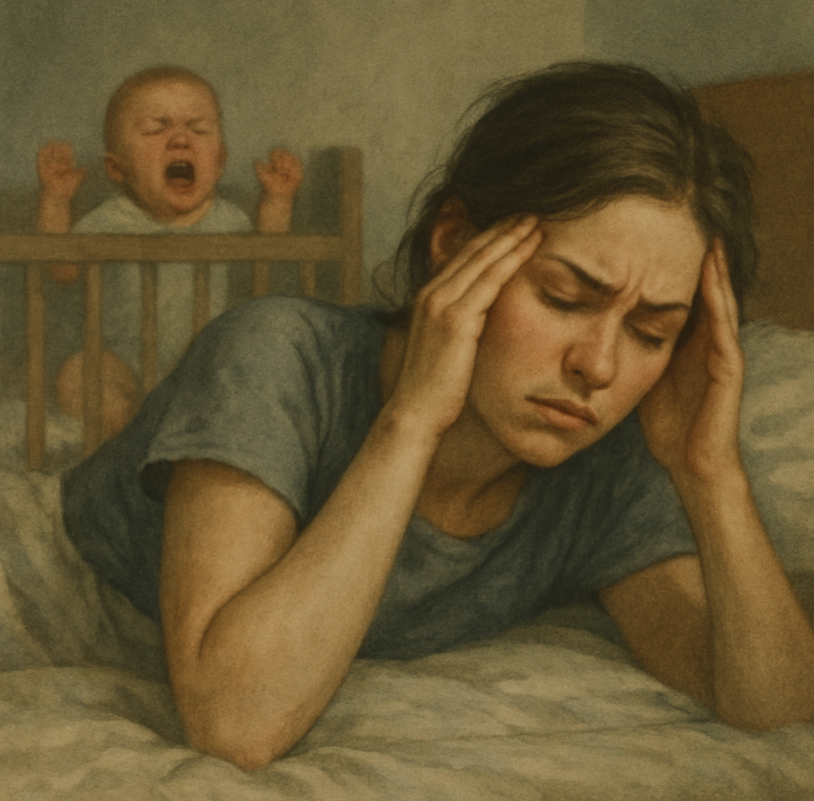
Physical discomfort after childbirth can’t be ignored. Pain and recovery from delivery complicate the body’s ability to relax. This affects quality of rest.
Newborns require constant care, impacting sleep. Mothers find themselves waking often to feed or comfort their baby. This ongoing disruption fragments sleep.
Emotional challenges, like postpartum depression, can deepen sleep issues. Many mothers experience mood changes that intensify sleeplessness. It’s a cycle that’s hard to break.
A few other factors influencing insomnia after childbirth include:
- Changes in sleeping routines and environments.
- Increased responsibilities and role adjustments.
- Breastfeeding and related hormonal impacts.
External stimuli also play a role. Greater noise levels and light disturbances can interrupt sleep. These disturbances are common in households with a baby.
Mothers need to recognize these causes. Awareness allows for targeted strategies that address the root of the problem. Identifying the specific triggers can lead to more restful nights. Understanding these elements is crucial for managing postpartum insomnia effectively.
How Long Does Postpartum Insomnia Last?
The duration of postpartum insomnia varies among mothers. Each journey is unique, with different factors at play.
In many cases, insomnia lasts a few weeks after childbirth. As routines stabilize, sleep patterns tend to improve. However, this isn’t a universal experience.
For some, insomnia lingers for several months. Hormonal imbalances and ongoing stress prolong sleep issues. This can be particularly challenging for new mothers.

Factors such as emotional support, lifestyle changes, and health conditions influence how long insomnia persists. Recognizing these can help manage expectations.
Consulting with healthcare professionals can clarify whether insomnia is within a typical range. Addressing underlying issues can accelerate recovery. It’s important to remember that postpartum insomnia is often a temporary condition. Most mothers find relief eventually, though patience and self-care are vital.
The Impact of Sleep Deprivation on Mothers
Sleep deprivation significantly affects new mothers. It impacts both mental and physical health.
Emotionally, lack of sleep can lead to mood swings. Mothers may feel irritable or overwhelmed.
Long-term sleep deprivation increases the risk of postpartum depression. This is a serious condition requiring attention.

Physical health also suffers from sleep loss. Recovery from childbirth is slower without adequate rest.
Sleep-deprived mothers may experience:
- Reduced energy levels
- Weakened immune system
- Difficulty concentrating
Moreover, sleep deprivation can affect the bond with the newborn. Exhaustion may interfere with emotional connection.
Finding ways to improve sleep quality is crucial for recovery. It also benefits mother and baby relationship.
Prioritizing rest and well-being helps manage these challenges. Understanding the broader impacts can encourage seeking support. Balancing self-care with newborn care is key.
Recognizing the Signs and Symptoms of Postpartum Insomnia
Recognizing postpartum insomnia is the first step to tackling it. New mothers may find it hard to fall or stay asleep.
Even when exhausted, sleep may not come easily. It’s a frustrating experience that many face.
Common signs include lying awake for long periods. Frequent awakenings during the night is another sign.
Mothers may also notice:
- Difficulty returning to sleep after waking
- Feeling unrefreshed after sleep
- Increased irritability due to lack of rest
Daytime fatigue is a clear signal of disturbed sleep. It affects daily tasks and concentration.
These symptoms can persist even when the baby is sleeping well. It differentiates postpartum insomnia from other sleep issues.
Understanding these symptoms helps identify the problem. Early recognition can lead to effective management.
Addressing these concerns promptly can improve quality of life. Seeking professional guidance may be necessary. Prioritizing sleep is essential for well-being.
Postpartum Insomnia vs. Other Sleep Disorders
Differentiating postpartum insomnia from other sleep disorders is important. Insomnia postpartum typically involves difficulty initiating or maintaining sleep due to childbirth-related factors.
In contrast, other sleep disorders might have diverse causes. Sleep apnea, for example, involves pauses in breathing during sleep. Restless legs syndrome causes an irresistible urge to move the legs, disturbing rest.
Key differences include:
- Origin: Postpartum hormonal changes versus other health conditions.
- Duration: Temporary postpartum versus chronic conditions.
- Symptoms: Anxiety and stress-related sleeplessness for postpartum insomnia.
Knowing these differences helps in seeking appropriate help. While postpartum insomnia is often temporary, others may require long-term interventions.
Understanding these distinctions aids in accurate diagnosis. Proper identification ensures effective treatment and support. Addressing these unique challenges can significantly improve sleep health.
Real Experiences: Insights from Postpartum Insomnia Reddit and Support Groups
Online forums offer real-life experiences of postpartum insomnia. Platforms like Reddit have active communities discussing this challenge. These discussions often provide comfort through shared experiences.
Users share diverse insights and coping strategies. Many new mothers find solace in knowing they aren’t alone. They discuss symptoms, remedies, and the emotional toll of sleepless nights.
Common topics in these communities include:
- Effective relaxation techniques
- Unexpected triggers of insomnia
- Shared stories of recovery

Support groups extend these conversations beyond virtual forums. In-person meetings allow for face-to-face interaction and direct advice. Sometimes, just talking about struggles reduces stress and promotes healing.
These spaces are invaluable for emotional support. They foster a sense of community, offering reassurance to struggling mothers. Engaging in these discussions can provide new perspectives and hope.
Insomnia 4 Months Postpartum: Why Does It Persist?
Four months postpartum, some mothers still face insomnia. This can be bewildering and frustrating. Understanding why insomnia persists helps in finding solutions.
Several factors contribute to ongoing sleep struggles. Hormonal adjustments are significant. Hormones like prolactin and cortisol continue to fluctuate postpartum, affecting sleep patterns.

Daily stressors and anxiety also play a role. Caring for a growing baby demands energy and attention, which can interrupt sleep. Emotional health ties closely to physical rest.
Sleep routines may still be developing at this stage. It can take time for babies to sleep through the night consistently. This irregularity can disrupt the mother’s sleep cycle.
It’s crucial to address these underlying causes. Recognizing persistent insomnia as normal in some cases can ease frustrations. Each mother’s journey to restful nights is unique but valid.
When to Seek Professional Help
Experiencing insomnia for a prolonged period can be challenging. It’s important to know when to seek professional assistance. Consider reaching out if sleep troubles severely affect daily life.
Persistent mood swings or irritability could be signs to consult a doctor. It’s crucial if insomnia impacts your ability to care for your baby. Mental health is just as important as physical recovery.
A healthcare provider can offer guidance and treatment options. Here’s when to consider seeking help:
- If insomnia persists beyond a few months.
- If there’s a risk of postpartum depression.
- When self-help strategies aren’t effective.
Don’t hesitate to speak with a professional. It’s a positive step towards better sleep and well-being. Seeking help shows strength, not weakness. Remember, you’re not alone in this journey, and support is available.
Effective Strategies for Managing Postpartum Insomnia
Managing postpartum insomnia requires a multi-faceted approach. Start by establishing a consistent sleep routine. Going to bed and waking up at the same time helps regulate your body clock.
Create a soothing bedtime ritual. This could include a warm bath or reading a book. Limit exposure to screens before sleeping.
Consider incorporating relaxation techniques. Deep breathing and meditation can promote relaxation and better sleep. Yoga is another great option, offering mental and physical benefits.
Identifying sleep triggers can also be helpful. Keep a sleep diary to track patterns and influences. This can guide changes to improve your rest.
Here are some tips to manage insomnia:
- Establish a calming bedtime routine.
- Practice relaxation techniques like deep breathing.
- Maintain consistent sleep and wake times.
Partner support is invaluable. Sharing nighttime duties can significantly aid sleep for new mothers. Discuss a schedule that offers both parents rest.
Finally, consider professional help if needed. Cognitive Behavioral Therapy (CBT) is highly effective for treating insomnia. This therapy addresses behavior and thought patterns affecting sleep.
Don’t underestimate the power of community. Connect with others experiencing similar challenges. Shared experiences can offer comfort and practical strategies.

It’s vital to experiment and find what works best for you. With effort and time, achieving better sleep is possible. Consider these strategies as a toolkit to manage postpartum insomnia effectively.
Lifestyle Changes to Improve Sleep Quality
Improving sleep quality involves subtle lifestyle adjustments. The impact of these small changes can be significant. Even minor tweaks can promote restorative sleep.
First, pay attention to your diet. Avoid heavy meals before bed. Instead, opt for light snacks if hungry.
Manage caffeine intake carefully. Limit caffeine consumption to the mornings. Its stimulating effects can disrupt evening relaxation.
Physical activity plays a vital role. Aim for regular exercise, but not close to bedtime. This helps regulate the sleep-wake cycle naturally.
Creating an optimal sleeping environment is crucial. Consider these tips:
- Keep the bedroom cool and dark.
- Use a comfortable mattress and pillows.
- Minimize noise and distractions.
A consistent daily routine supports better sleep. Try waking up and going to bed at the same time. This helps set a natural body clock.

Also, sunlight exposure during the day can improve sleep at night. Try to get outside for some natural light. This simple step can make a noticeable difference.
Lastly, remember self-care is important. Listen to your body’s signals and rest when needed. Being mindful of your needs contributes to better sleep.
Cognitive Behavioral Therapy and Other Treatments
Cognitive Behavioral Therapy (CBT) is a highly effective treatment for insomnia. It focuses on changing thoughts and behaviors that disrupt sleep. Many new mothers find relief through this therapeutic approach.
CBT works by identifying negative sleep patterns. Therapists then help replace them with healthier habits. This process can significantly improve sleep quality over time.
Several other treatments are also beneficial. Some options include:
- Mindfulness meditation to calm the mind.
- Relaxation exercises like deep breathing.
- Progressive muscle relaxation for easing tension.
For some, medication may be considered. Always consult with a healthcare provider before starting any new medication. This ensures it’s safe while breastfeeding or managing other postpartum conditions.
Complementary therapies can also support better sleep. Techniques such as acupuncture have shown promise. Aromatherapy, using calming scents like lavender, might aid relaxation. Exploring diverse treatments can help find what works best for each individual.
The Role of Partners and Family Support
Support from partners and family is crucial in managing postpartum insomnia. Their involvement can make a significant difference in a new mother’s sleep quality. By sharing responsibilities, mothers can find more opportunities to rest and rejuvenate.
Partners can assist in several ways. They can:
- Take turns with nighttime baby care.
- Help with household chores to reduce stress.
- Offer emotional support and understanding.
Extended family members can also contribute. They can provide occasional childcare, allowing mothers to nap. Close relatives might help prepare meals, easing some daily burdens. These simple acts can offer a much-needed break.
Creating a supportive environment is essential. Open communication is vital to address any emotional or physical needs. Partners and family should be patient, compassionate, and proactive. Together, they form a valuable support network, aiding mothers in overcoming the challenges of postpartum insomnia.
Self-Care Tips for New Mothers
Taking care of oneself is not a luxury; it’s essential for new mothers. Juggling a newborn and personal needs requires balance. Prioritizing self-care can greatly improve sleep quality and overall well-being.
Simple self-care activities can make a difference. Consider trying these strategies:
- Scheduled Breaks: Even short breaks throughout the day can reduce stress.
- Stay Hydrated: Drinking water aids both health and energy levels.
- Limit Visitors: Control social interactions to prevent overwhelm.
- Gentle Exercise: Activities like walking or stretching can boost mood.
Setting realistic expectations is crucial. Perfection is not the goal; progress is key. Celebrating small achievements can foster positivity. Remember, it’s okay to ask for help and set boundaries as needed.

Embrace self-care as part of your routine. Taking care of your mental and physical health benefits both you and your baby. With consistent practice, self-care becomes a powerful tool in managing postpartum insomnia.
Frequently Asked Questions About Postpartum Insomnia
Many new mothers have questions about postpartum insomnia. Understanding the condition can be the first step towards better sleep. Here, we address some common inquiries to provide clarity and guidance.
How long does postpartum insomnia last?
The duration varies among mothers. For some, symptoms dissipate in weeks; for others, it lingers for months. Individual factors play a significant role.
What are the main causes?
Postpartum insomnia can stem from hormonal changes, stress, and newborn care demands. Adjusting to a new routine can also disrupt sleep patterns.
How can I improve my sleep?
Implementing healthy sleep habits and seeking support can help. Techniques such as relaxation exercises or cognitive behavioral therapy may offer relief.
- Stress Management: Practice deep breathing and mindfulness.
- Consistent Bedtime: Establish a regular sleep routine.
- Support System: Involve family in nighttime duties.
These strategies help address insomnia effectively. Understanding and addressing concerns empowers mothers to navigate postpartum challenges.
Conclusion: Hope and Reassurance for Mothers Facing Postpartum Insomnia
Postpartum insomnia can be a daunting challenge. Remember, you are not alone, and many mothers share your experience. It’s essential to approach this journey with hope and persistence.
Implementing the strategies outlined can provide relief and lead to better sleep. Consistency in routine and seeking support are key. Over time, your sleep pattern will likely improve.
Reach out for help when needed. Professional guidance can be invaluable in addressing persistent insomnia. With patience and the right tools, restful nights are attainable. Embrace this period with compassion for yourself.