
The cure for insomnia movie
Explore the enigmatic 1987 avant-garde film “The Cure for Insomnia.” This cinematic journey challenges viewers with its unique blend of poetry and provocative themes.I believe this film can absolutely be called the cure for insomnia movie.
Table of Contents
The Cure for Insomnia Movie
The 1987 film The Cure for Insomnia, directed by John Henry Timmis IV, remains one of the most enigmatic and unusual entries in cinematic history. As an avant-garde film running a staggering 87 hours, it has become a subject of both intrigue and bewilderment for cinephiles and scholars alike. This article delves into the central themes of The Cure for Insomnia, offering an analytical perspective on its content and purpose.
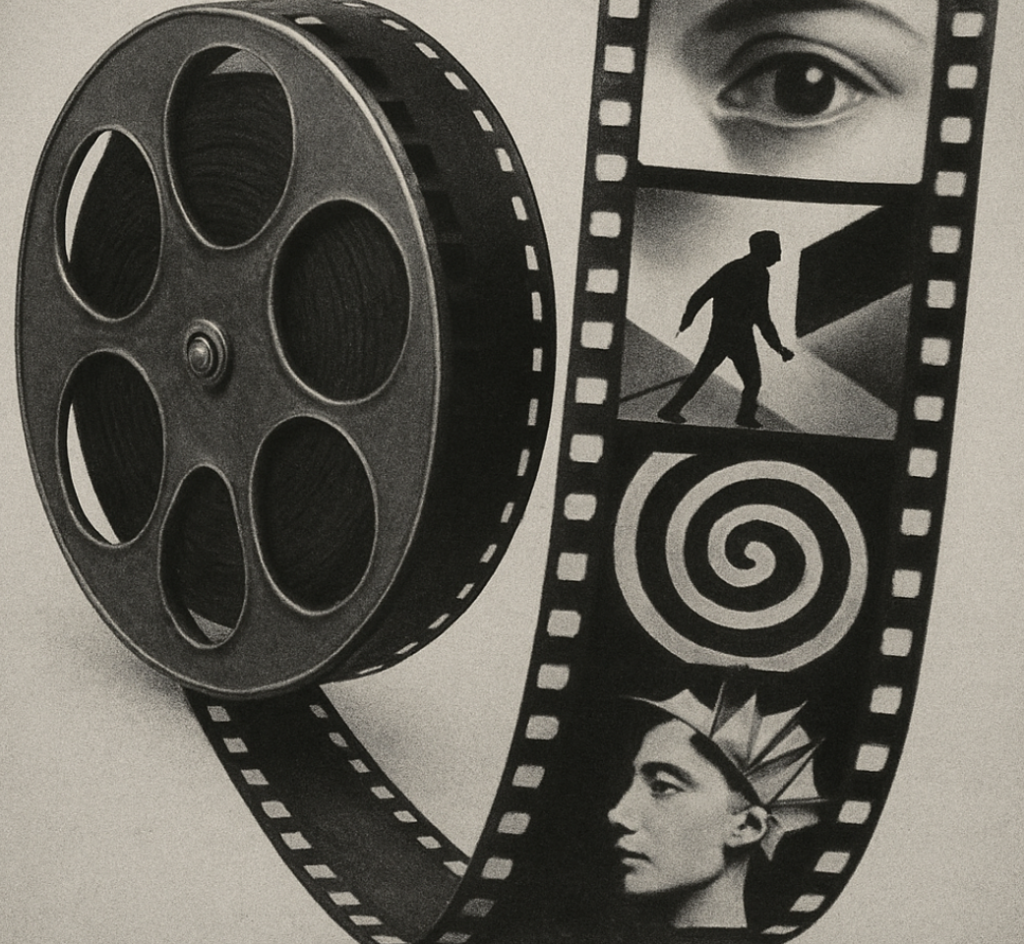
The Cure for Insomnia is not a conventional film by any measure. It is a montage that combines a recitation of a 4,080-page poem by L.D. Groban with various clips of heavy metal music and pornographic material. This unique combination challenges traditional film conventions, creating a piece that defies easy categorization. The film was initially screened in its entirety at the School of the Art Institute of Chicago, aiming to push the boundaries of what constitutes a movie.
The Structure and Content
The film’s structure is a deliberate departure from traditional cinema. By integrating disparate elements like poetry, music, and explicit imagery, it crafts a narrative that is both fragmented and cohesive in its chaos. The length alone challenges the viewer’s endurance, mirroring the insomniac’s relentless battle against sleeplessness. This non-linear approach forces the audience to engage with the film on a more abstract level, prompting introspection and reflection.
The Screening Experience
Screening The Cure for Insomnia in its entirety is an experience that transcends conventional film viewing. It’s not merely about watching; it’s about enduring. The film was presented as a continuous loop, emphasizing the cyclical nature of insomnia. Audience members often approached the screening as a performance or an event, participating in a shared experience that blurred the lines between viewer and art.
The Role of Environment
The environment in which the film is screened plays a crucial role in shaping the viewer’s experience. The original screening at the School of the Art Institute of Chicago was not just a locati0n but a contextual framework that influenced audience perception. The setting, with its artistic and academic connotations, invited viewers to consider the film not just as entertainment but as a piece of art worthy of critical discourse.
The Experimental Nature of the Film
Avant-Garde Cinema
The film’s avant-garde nature cannot be overstated. Avant-garde cinema is characterized by its experimental approach, often eschewing traditional narrative and stylistic norms to provoke, challenge, or engage the audience in unconventional ways. In The Cure for Insomnia, the lack of a linear storyline or traditional plot structure exemplifies this experimental ethos. The film defies the typical cinematic conventions, offering instead an amalgamation of disparate elements that question the viewer’s perception of time, attention, and engagement.
Breaking Narrative Conventions
Traditional films rely on narrative arcs and character development to engage audiences. The Cure for Insomnia disrupts this by presenting a collage of stimuli that requires viewers to find their own meaning. This approach is not merely an artistic choice but a philosophical one, challenging the notion of storytelling itself.
The Role of Discomfort
Discomfort is a tool used effectively in avant-garde cinema to provoke thought and elicit emotional responses. The Cure for Insomnia’s jarring content serves this purpose by forcing viewers to confront their expectations and biases. By stepping outside the comfort zone of conventional cinema, the film creates a space for new interpretations and discussions.
The Viewer as a Participant
In avant-garde cinema, the viewer is often seen as an active participant rather than a passive observer. The Cure for Insomnia exemplifies this by requiring engagement on multiple levels. The absence of a clear narrative invites viewers to construct their own interpretations, transforming them into co-creators of the experience.
Endurance Art and Viewer Experience
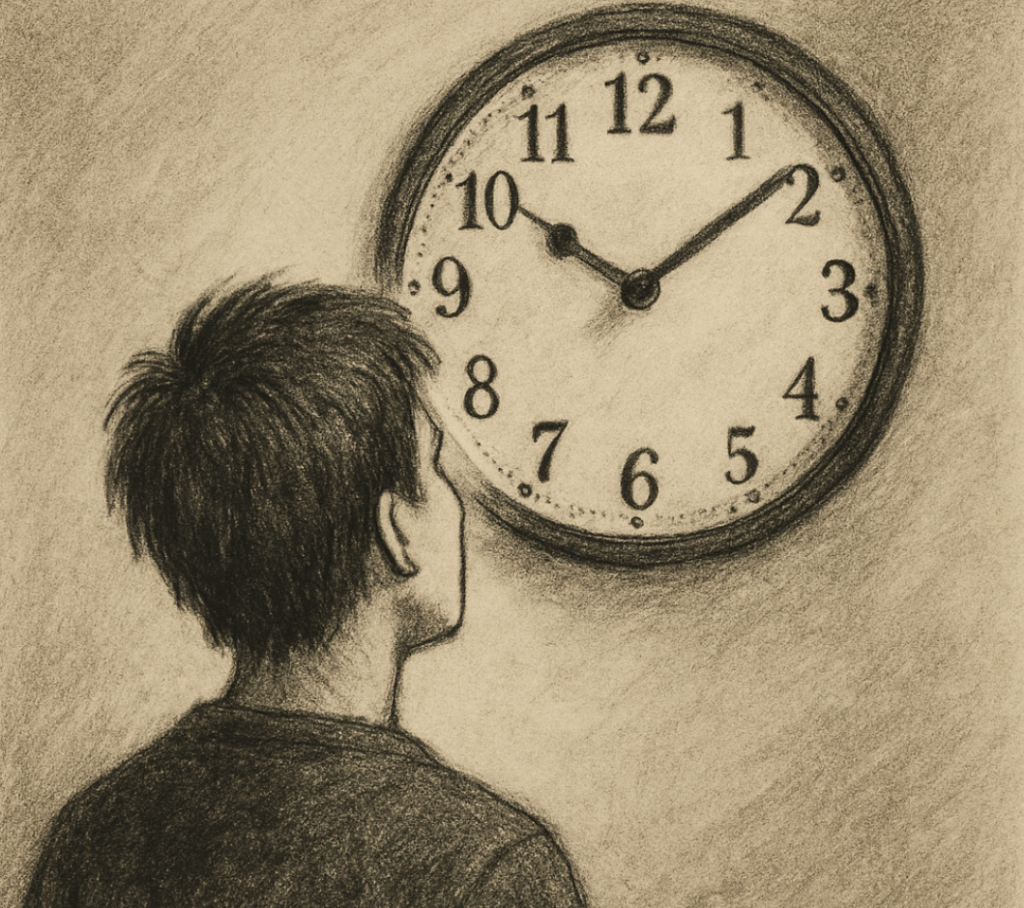
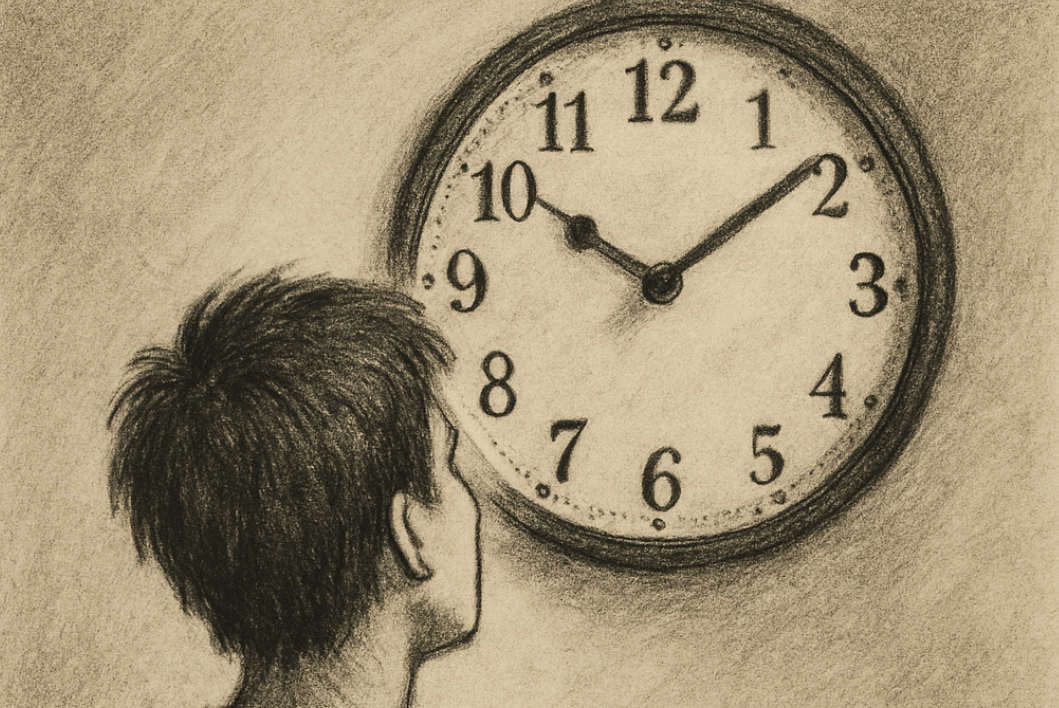
The film can also be seen as a form of endurance art, a concept wherein the artist tests the limits of the human body and mind. The experience of watching an 87-hour film is not just about viewing content; it’s a test of resilience and patience. For those who attempt to watch the film in its entirety, it becomes an exercise in mental stamina. The repetitive nature of the poem interspersed with jarring music and imagery creates a hypnotic effect, akin to the relentless cycle of insomnia itself.
The Challenge of Duration
The sheer length of the film is a challenge to both the body and mind. Watching for extended periods tests not only physical endurance but also psychological resilience. This aspect of the film aligns it with endurance art, which explores the boundaries of human capability and the impact of prolonged engagement.
Psychological Effects
The film’s repetitive and immersive nature can induce a trance-like state in viewers, mirroring the effects of insomnia. This psychological engagement is a key component of the film’s artistic strategy, drawing viewers into a shared experience of disorientation and introspection.
Audience Reactions
Reactions to the film’s endurance challenge vary widely, from admiration of its audacity to frustration with its demands. Audience members who complete the viewing often report a sense of accomplishment and altered perception, underscoring the film’s impact as an endurance test.
Themes Explored in The Cure for Insomnia
The Nature of Insomnia
As the title suggests, insomnia is a central theme of the film. Insomnia is characterized by the inability to sleep, leading to a cycle of exhaustion and wakefulness. The film’s seemingly endless runtime and repetitive content mirror the experience of an insomniac, trapped in a cycle of sleeplessness with no respite. By immersing the viewer in an 87-hour experience, Timmis attempts to replicate the psychological and emotional toll of insomnia. The film becomes a metaphor for the struggle to find rest and peace in a world that is constantly in motion.
The Cyclical Nature of Sleeplessness
Insomnia is not just a lack of sleep but a cycle of restlessness and anxiety. The film’s structure reflects this cyclical nature, with its repetitive elements creating a loop that mirrors the insomniac’s experience. This thematic choice emphasizes the relentless and inescapable nature of insomnia.
Emotional and Psychological Impact
The emotional and psychological toll of insomnia is a key focus of the film. By simulating the insomniac’s experience, Timmis invites viewers to empathize with the struggle for rest. The film’s atmosphere of tension and unease mirrors the mental state of those afflicted by insomnia, creating a visceral connection with the audience.
Metaphor for Modern Life
Beyond the literal interpretation, insomnia in the film can be seen as a metaphor for the restless, fast-paced nature of modern life. The constant stimulation and lack of respite echo the pressures of contemporary society, prompting viewers to reflect on their own experiences of exhaustion and disconnection.
The Intersection of Art and Consumerism
The inclusion of heavy metal music and pornographic clips introduces a commentary on the intersection of art and consumerism. These elements, often seen as commercial or mainstream, are juxtaposed against the avant-garde nature of the poem, raising questions about the commodification of art and the role of media in contemporary society. The film challenges the viewer to consider the consumption of media in their daily lives and its impact on their mental and emotional well-being. It critiques the desensitization that can occur when art is reduced to mere entertainment or a product for consumption.
The Commodification of Art
The film critiques the commodification of art by juxtaposing commercial elements with avant-garde expression. This contrast highlights the tension between artistic integrity and market demands, questioning the value and purpose of art in a consumer-driven society.
Media Saturation and Desensitization
In an age of media saturation, The Cure for Insomnia challenges viewers to consider the effects of constant exposure to images and sound. By overwhelming the senses, the film reflects the desensitization that can result from media overconsumption, urging audiences to reevaluate their relationship with media.
Art as a Reflection of Society
The film’s commentary on art and consumerism extends to a broader reflection on society. By incorporating diverse elements, it acts as a mirror to contemporary culture, revealing the complexities and contradictions of modern life and prompting viewers to question societal values and priorities.
The Search for Meaning

by Russ Murray (https://unsplash.com/@russmurray)
At its core, The Cure for Insomnia is an exploration of the search for meaning in a seemingly chaotic and fragmented world. The film’s disjointed structure reflects the existential quest for purpose, prompting viewers to reflect on their own lives and the narratives they construct. The recitation of Groban’s poem, with its vast length and complex themes, acts as a stream of consciousness, inviting the audience to delve into the depths of human thought and emotion. It poses questions about identity, existence, and the human condition, encouraging viewers to confront the uncertainties and ambiguities of life.
Existential Themes
The film’s existential themes invite viewers to grapple with questions of identity and purpose. By presenting a narrative without clear direction, it mirrors the human experience of searching for meaning amidst chaos and uncertainty, challenging viewers to confront their own existential dilemmas.
The Role of Poetry
Groban’s poem serves as the film’s backbone, offering a continuous stream of ideas and emotions. This poetic element invites viewers to engage with the film on a deeper level, exploring themes of consciousness and introspection that resonate with the human condition.
Personal Reflection and Interpretation
The film’s open-ended nature encourages personal reflection and interpretation. Each viewer’s experience is unique, shaped by their own thoughts and emotions, creating a dynamic interaction between the film and its audience. This personal engagement is a testament to the film’s power to provoke thought and inspire introspection.
Critical Reception and Legacy
Reception at the Time of Release
Upon its release, The Cure for Insomnia received mixed reviews. Some praised its innovative approach and boldness, while others dismissed it as self-indulgent and inaccessible. The film’s length and unconventional format made it difficult to distribute, limiting its exposure to a niche audience. Despite this, it has garnered a cult following among enthusiasts of experimental cinema, with screenings often treated as unique events rather than traditional film viewings.
Initial Critical Response
The initial critical response to the film was polarized, reflecting its challenging nature. Critics who appreciated its boldness recognized its potential to redefine cinematic boundaries, while others saw it as an exercise in excess and self-indulgence, questioning its artistic value.
Audience Perception
Audience perception of the film varied widely, with reactions ranging from fascination to frustration. Its niche appeal limited its reach, but those who engaged with it often found it a rewarding experience that challenged their perceptions of art and cinema.
Cult Status and Continued Interest
Over time, The Cure for Insomnia has achieved cult status, attracting a dedicated following of fans who appreciate its avant-garde approach. This enduring interest highlights the film’s impact as a cultural artifact and its relevance in discussions of experimental cinema.
Influence on Contemporary Art and Film
In the years since its release, The Cure for Insomnia has influenced contemporary art and film, particularly within the realms of endurance art and long-duration cinema. It has paved the way for filmmakers and artists to explore unconventional storytelling methods and push the boundaries of audience engagement.
Pioneering Long-Duration Cinema
The film’s unprecedented length has inspired a new genre of long-duration cinema, encouraging filmmakers to experiment with extended narratives that challenge traditional viewing habits. This influence is evident in contemporary works that prioritize duration as an artistic element.
Impact on Endurance Art
The film’s endurance-based approach has resonated with artists exploring the limits of human experience. Its impact can be seen in performance art and installations that emphasize duration and viewer engagement, underscoring its role in shaping modern artistic practices.
Legacy in Avant-Garde Cinema
The Cure for Insomnia’s legacy in avant-garde cinema is significant, serving as a benchmark for innovation and experimentation. Its influence extends to filmmakers who continue to challenge conventions and explore new forms of storytelling, ensuring its place in the history of cinematic innovation.
Conclusion
The Cure for Insomnia stands as a testament to the power of avant-garde cinema to challenge and provoke thought. Its exploration of insomnia, art, consumerism, and the search for meaning offers a rich tapestry of themes for analysis and reflection. By pushing the boundaries of traditional cinema, John Henry Timmis IV has created a work that, while polarizing, remains an enduring piece of art that invites viewers to question their perceptions and assumptions.
The Enduring Appeal
Despite its challenges, The Cure for Insomnia continues to captivate and confound audiences, making it a seminal work in the canon of experimental cinema. Its enduring appeal lies in its ability to provoke thought and inspire dialogue, ensuring its relevance for future generations of artists and audiences.
A Catalyst for Discussion
The film’s provocative nature serves as a catalyst for discussion and debate, encouraging viewers to engage with its themes and explore their implications. This ongoing dialogue is a testament to the film’s impact and its role as a transformative piece of art.
Invitation to Reconsider Cinema
Ultimately, The Cure for Insomnia invites audiences to reconsider what cinema can be. By challenging conventions and pushing boundaries, it opens new possibilities for artistic expression and viewer engagement, solidifying its place as a landmark in the history of film.
Summary
If you also lose sleep over little things, why not join us? There are many people here just like you. We can chat late into the night, watch movies together to help us sleep, and heal our insomnia together!